Microbiological resistance is a crucial aspect of injecting in – mold label material, and as a supplier of such materials, I understand the importance of this property in meeting the diverse needs of our clients. Injecting In-mold Label Material
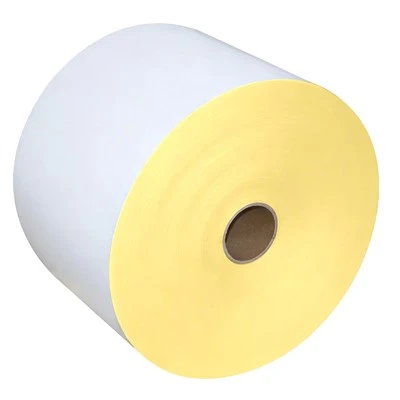
In the realm of in – mold labeling, the material used for injection must possess certain microbiological resistance properties. Microorganisms such as bacteria, fungi, and yeasts are ubiquitous in our environment. When our injecting in – mold label materials come into contact with different substances and environments during the manufacturing process, storage, or end – use, they are at risk of microbial contamination.
Bacteria are one of the most common microorganisms that can affect in – mold label materials. Some bacteria can secrete enzymes that break down polymers, the main components of many in – mold label materials. For example, certain species of Pseudomonas can produce enzymes like lipases and proteases. If these enzymes come into contact with plastic – based injecting in – mold label materials, they might cause degradation of the surface structure, leading to a reduction in the material’s strength, flexibility, and optical clarity. This is particularly problematic in applications where a high – quality and aesthetically pleasing label is required, such as in the food and beverage packaging industry.
Fungi also pose a significant threat. Fungi are well – known for their ability to grow on various surfaces, especially in warm and humid conditions. They can form visible colonies on the surface of injecting in – mold label materials. These colonies not only affect the appearance of the labels but can also cause corrosion – like damage. For instance, Aspergillus and Penicillium species are common fungi that can grow on plastic surfaces. Once they start growing, they can penetrate the material’s surface layer, making the label brittle and more prone to cracking during the in – molding process or in the subsequent handling of the final product.
Yeasts, although less commonly associated with material degradation compared to bacteria and fungi, can still have an impact. Some yeasts can ferment sugars and other organic compounds present on the surface of the in – mold label material. This fermentation process can produce acidic by – products that corrode the material over time. Moreover, the presence of yeast colonies can change the surface texture of the label, which may affect its ability to adhere properly during the in – molding process.
To ensure the microbiological resistance of our injecting in – mold label materials, we have implemented a series of measures at every stage of production.
During the raw material selection, we carefully choose polymers and additives that have inherent resistance to microbial growth. For example, some types of engineered plastics have chemical structures that are less susceptible to degradation by microbial enzymes. We also incorporate antimicrobial additives into our materials. These additives work in different ways. Some release silver ions, which have broad – spectrum antibacterial and antifungal properties. Silver ions can disrupt the cell membranes of microorganisms, inhibit their metabolic processes, and ultimately prevent their growth and reproduction on the material’s surface.
In our manufacturing facilities, we maintain strict hygiene standards. Our production lines are regularly cleaned and disinfected using specialized cleaning agents that are effective against a wide range of microorganisms. We use high – pressure steam cleaning and chemical sanitizers to remove any potential microbial contaminants from the equipment. Additionally, our production environment is maintained at a controlled temperature and humidity level. This is crucial because most microorganisms thrive in warm and humid conditions. By keeping the environment within a specific temperature and humidity range, we can significantly reduce the risk of microbial growth during the manufacturing process.
After the production of the injecting in – mold label materials, we conduct rigorous quality control tests for microbiological resistance. We use standard microbiological culture methods to test for the presence of bacteria, fungi, and yeasts on the material samples. These samples are incubated under controlled conditions for a specific period, and then the number of viable microorganisms is counted. If the microbiological counts exceed our pre – defined standards, the batch of materials is subjected to further treatment or is discarded. We also use advanced techniques such as scanning electron microscopy (SEM) to examine the surface of the materials for any signs of microbial damage or growth at a microscopic level.
The microbiological resistance of our injecting in – mold label materials has many benefits for our clients. In the food and beverage industry, where product safety and hygiene are of utmost importance, our materials can ensure that the labels do not become a source of microbial contamination. This helps food and beverage manufacturers comply with strict food safety regulations. Labels made from our materials maintain their integrity and appearance over time, which is essential for brand image and product marketing.
In the medical and pharmaceutical industries, our microbiologically resistant injecting in – mold label materials are used for packaging medical devices and drugs. The materials prevent the growth of microorganisms that could potentially contaminate the medical products, ensuring the safety and efficacy of these critical items.
For the consumer goods industry, our materials provide long – lasting and high – quality labels. The resistance to microbial degradation means that the labels remain clear, colorful, and firmly attached to the products throughout their shelf – life. This enhances the overall consumer experience and reduces the likelihood of product returns due to label – related issues.
As a supplier of injecting in – mold label materials, we are committed to continuous improvement in the area of microbiological resistance. We invest in research and development to explore new polymers, additives, and manufacturing processes that can enhance the material’s ability to resist microbial growth. We also collaborate with leading research institutions and industry partners to stay updated on the latest scientific findings and technological advancements in microbiological resistance.
If you are in need of high – quality injecting in – mold label materials with excellent microbiological resistance properties, we would love to have a conversation with you. Our team of experts can provide you with detailed information about our products, their performance, and how they can meet your specific requirements. Whether you are in the food and beverage, medical, or consumer goods industry, we are confident that our materials will be a valuable addition to your production process. Contact us to start a procurement discussion and discover how our injecting in – mold label materials can enhance the quality and safety of your products.
PVC Shrink Film References:
- Atlas, R. M., & Bartha, R. (1998). Microbial Ecology: Fundamentals and Applications. Benjamin/Cummings Publishing Company.
- Madigan, M. T., Martinko, J. M., & Parker, J. (2003). Brock Biology of Microorganisms. Prentice Hall.
- Tortora, G. J., Funke, B. R., & Case, C. L. (2016). Microbiology: An Introduction. Pearson.
China Lisontec New Material Co., Ltd.
We are one of the most professional injecting in-mold label material manufacturers and suppliers in China, also support customized service. As we have world-leading production equipment and strong manufacturing capabilities, we warmly welcome you to wholesale bulk injecting in-mold label material made in China here from our factory.
Address: 8-107, Xianlin Valley, Qimin West Road Qixia, Nanjing, China
E-mail: info@lisontec.com
WebSite: https://www.lisontec.com/
