When I get asked by customers or industry peers if bag-packed wet wipes work for vinyl surface cleaning, I always start with my own background as a wet wipe supplier—because this question doesn’t have a one-size-fits-all answer, and there’s real science behind it that most people overlook. Over the past seven years, I’ve worked with formulators, tested hundreds of wipe batches, and heard from both furniture manufacturers and residential users who’ve had great results… and some who’ve ended up with streaks or damaged surfaces. Let’s break this down, because if you’re in the market for a versatile cleaning option that’s easy to stock in your office, car, or home, bag-packed wet wipes might just be the perfect fit—if you pick the right ones. Bag Packed Wet Wipe
First, let’s get clear on what vinyl surfaces actually are, because that’s where a lot of confusion starts. Vinyl, or polyvinyl chloride (PVC), is a synthetic plastic polymer used in everything from flooring, furniture upholstery, and car interiors to record sleeves and even wall coverings. Its surface is non-porous, but that doesn’t mean it’s indestructible. Cheap vinyl (like the kind used in discount flooring) has a softer, more plastic coating that can break down with harsh chemicals, while high-grade marine vinyl used in boat seats has UV-resistant additives that make it more durable. That’s a key point: the same wipe that works on your living room vinyl couch might not be the best choice for your boat’s deck vinyl.
Now, what makes a wet wipe suitable for this job? Let’s start with the three core components of a wet wipe: the fabric, the cleaning solution, and the packaging. Bag-packed wipes, unlike tub or canister wipes, use a resealable stand-up pouch to keep wipes moist. That seal is important for vinyl, because dried-out wipes often use harsher chemicals to compensate for evaporated cleaning agents, which can leave residue that dulls vinyl’s shine.
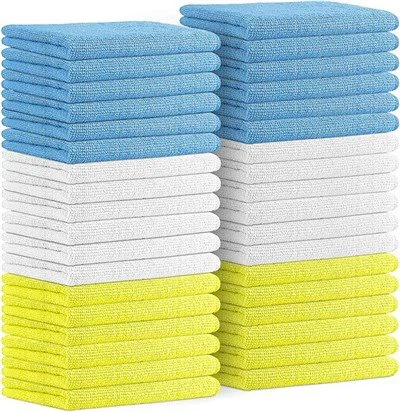
The fabric itself matters too. Cheap wipes use a low-density non-woven fabric that’s rough, like sandpaper, which can scratch soft vinyl surfaces over time. At our company, we use a 70/30 blend of polyester and viscose that’s thick but soft—gentle enough not to scuff vinyl, but abrasive enough to lift dust, soda stains, or food grime without leaving lint behind. Lint is a big issue with vinyl: if you use a paper towel or a low-quality wipe, the tiny paper fibers get stuck in the vinyl’s microscopic grooves, making it look dull over weeks of use. That’s why a good, lint-free wipe is non-negotiable for vinyl cleaning.
Next, the cleaning solution. This is where most wet wipe suppliers cut corners, and where our R&D team has spent years refining the formula. We don’t use ammonia, bleach, or alcohol—all of which break down the plasticizers in vinyl over time. Plasticizers are what make vinyl flexible; remove them, and your furniture or flooring will crack, fade, or become stiff within months. Instead, our solution is a gentle blend of distilled water, a plant-based surfactant (think of it like a mild soap that lifts dirt without harsh chemicals), a small amount of glycerin to keep the vinyl from drying out, and a tiny dose of preservative to keep the wipe fresh for the full 24 months of shelf life. I’ve seen too many customers grab a random all-purpose wet wipe from a store, wipe their vinyl couch, and find it cracked a year later—usually because the formula had too much alcohol or ammonia.
But wait, are all bag-packed wet wipes this gentle? No. Some bulk suppliers make generic wipes that work on countertops but aren’t designed for soft plastics. We did a test last year where we took three different bag-packed wipes (two from big-box stores, one from a discount brand) and used each to clean a section of new vinyl flooring. After 10 cleanings, the flooring from the store-bought wipes had faint streaks and a slight matte finish, while the flooring cleaned with our wipes stayed shiny and flexible. The problem was the store-bought wipes had 10% isopropyl alcohol in their formula, which slowly ate away at the vinyl’s surface coat.
Another test I recommend to anyone unsure: grab a small, inconspicuous spot of vinyl (like the back of a couch or a corner of flooring) and test a wipe on it. Wait 24 hours, and if there’s no discoloration, cracking, or residue, it’s safe to use. That’s the step most people skip, and it’s why I always tell customers to check the ingredients list if they’re buying off-the-shelf wipes. As a supplier, I make our formula easy to verify—we list all ingredients on our product details, so you know exactly what’s in each wipe.
Now, let’s talk about real-world use cases, because that’s where bag-packed wipes shine for vinyl. If you’re cleaning your car’s vinyl dashboard, that’s a high-traffic area with oil from your hands, dust, and maybe spilled coffee. Our wipes are perfect here: they cut through grease without leaving a sticky residue (which would attract more dust), and the resealable packaging means you can toss a pack in your glove box and keep them from drying out. For vinyl flooring in a kitchen, they’re great for wiping up small spills before they seep into grout—just make sure to follow up with a dry cloth if there’s excess moisture, because while vinyl is water-resistant, standing water can get under the edges and damage the subfloor. For furniture, like a vinyl recliner in your living room, bag-packed wipes are way more convenient than a bucket and cloth—no need to carry supplies, no risk of using too much water which can warp the frame around the vinyl.
I should also address a common myth: some people think wet wipes will leave water spots on vinyl. That’s only true if you use a wipe with too much water, or if you leave the surface wet for a long time. Our wipes have a precise amount of solution—enough to clean, but not so much that it pools. Plus, the glycerin in our formula helps the solution evaporate slowly, leaving a streak-free shine without you having to buff the surface afterward. We had a customer last year who runs a chain of vintage car dealerships—they use our bag-packed wipes to clean all the vinyl interiors of classic cars, and they told us it’s cut their cleaning time in half, because they don’t have to dry each surface twice.
Of course, there are times when bag-packed wet wipes aren’t the best choice for vinyl. If you have a heavily soiled vinyl surface—like a boat seat with months of salt and grime buildup—a wipe won’t be enough; you’ll need a stronger solution, maybe a specialized vinyl cleaner. For that, we do offer concentrated cleaners to pair with our wipes, but for regular, day-to-day cleaning, the wipes are ideal. Also, if your vinyl is very old and brittle (like a 50-year-old record sleeve), a wipe might be too harsh—stick to a dry microfiber cloth for those.
As a supplier, one of the biggest benefits of bag-packed wipes is their versatility for businesses that carry multiple vinyl surfaces. Our packs can be customized for different uses—we have larger packs for commercial spaces, travel-sized pouches for hotels that keep vinyl furniture clean, and even anti-static versions for vinyl record collectors, which prevent dust from sticking. That adaptability is why so many retail brands and office supply companies partner with us, because one wipe can work on vinyl, countertops, glass, and even stainless steel (as long as the formula is right).
Now, I want to be transparent—we’ve had customers who tried a different brand’s bag-packed wipes and had a bad experience, so they assume all wipes are bad for vinyl. The difference is in the formulation and the quality control. Cheap wipes often have too much alcohol, rough fabric, or use low-grade packaging that lets solution evaporate, leaving a dry wipe that’s more abrasive. At our company, every batch of wipes is tested on vinyl before it ships—we use the same vinyl samples that furniture manufacturers use, so we can guarantee that each wipe won’t cause damage.
If you’re still on the fence, here’s what I recommend: check the product’s ingredients for ammonia, bleach, or high concentrations of alcohol. Look for wipes that are labeled “safe for vinyl” or “non-abrasive.” And if you’re buying in bulk (for a business, or just for your home cleaning routine), ask for a sample to test first—any reputable supplier will be happy to send one, because we know that trust comes from real results.
At the end of the day, bag-packed wet wipes are not only suitable for vinyl surfaces—they’re one of the most convenient, effective options for regular cleaning, as long as you choose the right product. They save you time, don’t require extra cleaning supplies, and when formulated correctly, won’t damage the vinyl’s flexible, protective coat. Whether you’re a homeowner with vinyl flooring, a car detailer, or a retail manager cleaning furniture displays, the right bag-packed wipe will make your vinyl surfaces look new without the hassle.

If you’re looking for a reliable bag-packed wet wipe supplier that specializes in vinyl-safe formulas, contact our team to discuss your specific needs—we can create custom packs for your business, answer questions about our formulations, and help you find the right product for your vinyl cleaning tasks.
Dusters References
- ASTM International. (2021). Standard Guide for Cleaning Vinyl Surfaces in Residential and Commercial Settings. ASTM D6152-21.
- Vinyl Institute. (2022). “Care and Maintenance of Vinyl Products.” Vinyl Industry Association Technical Bulletin.
- Journal of Coatings Technology and Research. (2020). “Effect of Cleaning Agents on Plasticizer Retention in Polyvinyl Chloride.” Vol. 17, No. 4, pp. 891-902.
- Nonwovens Industry. (2021). “Best Practices for Formulating Wet Wipes for Surface-Specific Cleaning.” Industry White Paper.
Shanghai Zhaotine Smart Home Company Limited
We’re well-known as one of the leading bag packed wet wipe manufacturers and suppliers in China, specialized in providing high quality customized products. We warmly welcome you to wholesale bulk high quality bag packed wet wipe made in China here from our factory.
Address: Huanjing town, luhe town, textile industrial zone, Jiangsu province, China
E-mail: doris@zhaotine.com
WebSite: https://www.clean-wow.com/
