Hey there! As a supplier of fuel dispenser hoses, I get asked a ton of questions about safety precautions when using these hoses. And let me tell you, safety’s no joke, especially when you’re dealing with fuel. So, I thought I’d sit down and share some key safety tips with you all. Fuel Dispenser Hose
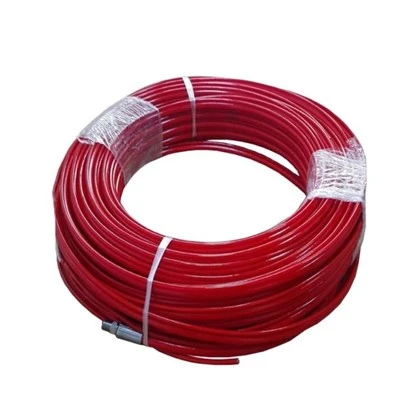
First off, we’ve gotta understand what a fuel dispenser hose is. It’s that long, flexible tube you see at gas stations, connecting the dispenser to your car’s fuel tank. Its job is to transfer fuel safely from the storage to your vehicle. Simple as that, right? But using it comes with its own set of risks, and that’s why we need to take precautions.
Let’s kick things off with the pre – use checks. Before you start pumping fuel, give the hose a once – over. Look for any visible signs of wear and tear. Cracks, cuts, or frayed parts are a big red flag. These can lead to fuel leakage, which is not only wasteful but also extremely dangerous. A tiny spark can turn a fuel leak into a major fire. So, if you spot any damage, don’t use the hose. Instead, let the station attendant know right away so they can replace it.
Next up, check the fittings. The hose is attached to the dispenser and the nozzle with fittings. Make sure these are tight and secure. Loose fittings can cause fuel to seep out during the pumping process. You don’t want fuel spraying everywhere, trust me. It can create a slippery surface, increasing the risk of slips and falls. Plus, it’s an environmental hazard.
Now, let’s talk about handling the hose. When you pick up the hose from the dispenser, do it gently. Avoid yanking or pulling it too hard. These hoses are designed to be flexible, but rough handling can still damage them. And don’t drag the hose on the ground. It can pick up dirt, debris, and even sharp objects that might puncture it.
While you’re using the hose to fill up your tank, keep it in a proper position. Don’t let it kink or bend sharply. A kinked hose restricts the flow of fuel, which can cause pressure to build up inside the hose. This increased pressure can lead to a rupture, and you definitely don’t want that.
Another important thing is to keep the hose away from heat sources. Fuel is highly flammable, and heat can make it even more volatile. So, don’t park your car too close to the engine or any other hot parts of the vehicle while filling up. Also, stay away from open flames or smoking areas. A single spark from a cigarette can cause an explosion.
When you’re done filling up, handle the nozzle with care. After removing it from the tank, let it drip for a few seconds to get rid of any excess fuel. Then, put it back on the dispenser gently. And make sure to roll up the hose neatly. Leaving it in a messy pile can cause it to get tangled or damaged over time.
If you’re working in a commercial setting, like a gas station or a fuel depot, things get a bit more serious. Employees need to be properly trained on how to use fuel dispenser hoses. They should know what to do in case of an emergency, like a fuel spill or a fire. Regular safety drills can be really helpful in preparing them for such situations.
In addition to handling the hose itself, proper grounding is crucial. Fuel flowing through the hose can generate static electricity. If this static electricity builds up and discharges as a spark, it can ignite the fuel. So, most fuel dispenser hoses are equipped with grounding wires. Make sure these wires are connected properly and are in good condition. Grounding also needs to be checked regularly to ensure its effectiveness.
Let’s also touch on storage. When the hoses aren’t in use, they need to be stored properly. Keep them in a cool, dry place, away from direct sunlight. Sunlight can cause the hose material to degrade over time, making it more prone to damage. You can also use hose racks to keep them organized and prevent them from getting tangled or crushed.
Lastly, always follow the manufacturer’s instructions. Every fuel dispenser hose is different, and they come with specific guidelines on how to use, maintain, and store them. Ignoring these instructions can void the warranty and increase the risk of accidents.
To sum it all up, using a fuel dispenser hose safely boils down to being careful and responsible. From pre – use checks to proper handling, storage, and following instructions, every step matters. Safety precautions are not just a set of rules; they’re a way to protect ourselves, others, and the environment.
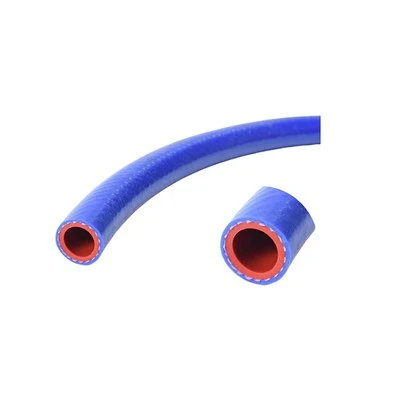
Now, if you’re in the market for high – quality, safe fuel dispenser hoses, I’d love to talk to you. As a supplier, I can offer you hoses that meet all the safety standards and are built to last. Whether you’re running a gas station, a small garage, or a large fuel depot, I’ve got the right hose for you. Contact me for more details and let’s start a discussion about your needs.
AN Hose End References
- ASTM International standards on fuel dispenser hoses
- National Fire Protection Association (NFPA) guidelines for fuel handling
- Manufacturer’s product manuals for fuel dispenser hoses
Ningbo Haidu Auto Parts Co., Ltd.
As one of the most professional fuel dispenser hose manufacturers and suppliers in China, we’re featured by cheap products and good service. Please rest assured to buy durable fuel dispenser hose at competitive price from our factory. Also, OEM service is available.
Address:
E-mail: Sale6@sterlingautoparts.com
WebSite: https://www.cnsiliconehose.com/
