Hey there! As a supplier of rotary airlock valves for powder, I’ve seen my fair share of the ups and downs in this industry. Today, I wanna chat about the potential risks that come with using a rotary airlock valve for powder. Rotary Airlock Valve for Powder
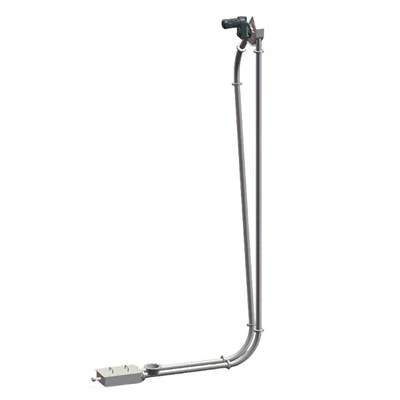
First off, let’s talk about leakage. One of the most common issues with rotary airlock valves is powder leakage. This can happen for a few reasons. The seals on the valve might wear out over time. You know, with constant rotation and the abrasiveness of the powder, those seals take a beating. If the seals aren’t in good condition, powder can escape from the valve. And that’s not just a mess to clean up. It can also be a safety hazard, especially if the powder is toxic or flammable.
Another risk related to leakage is air leakage. Airlock valves are designed to maintain a pressure difference between two areas while allowing powder to pass through. But if there’s air leakage, it can disrupt the whole process. For example, in a pneumatic conveying system, air leakage can reduce the efficiency of the system. The powder might not flow properly, and it could lead to blockages in the pipes. This means more downtime for maintenance and loss of productivity.
Now, let’s move on to wear and tear. The rotor blades in a rotary airlock valve are constantly in contact with the powder. Depending on the type of powder, this can cause significant wear. Abrasive powders like sand or metal particles can quickly erode the rotor blades. If the blades get too worn, they won’t be able to move the powder effectively. The valve might start to jam, and you’ll have to stop the operation to replace the blades. This not only costs money for the new parts but also for the labor to install them.
The housing of the valve can also experience wear. The powder can scrape against the inside of the housing, causing it to thin out in some areas. A weakened housing can lead to structural failures. If the housing breaks, it can cause a major mess and potentially damage other parts of the system.
Then there’s the issue of contamination. If the rotary airlock valve isn’t properly cleaned and maintained, it can become a breeding ground for bacteria and other contaminants. This is a huge problem, especially in industries like food or pharmaceuticals. Contaminated powder can lead to product recalls, which are extremely costly for businesses. It can also damage the company’s reputation in the market.
Moreover, different powders can react with each other or with the materials of the valve. For example, some powders might be corrosive. If the valve is made of a material that’s not resistant to corrosion, it can start to deteriorate. Corrosion can weaken the valve’s structure and affect its performance. It can also cause the powder to be contaminated with rust or other by – products of the corrosion process.
Blockages are another headache. Sometimes, the powder can clump together inside the valve. This can happen due to factors like high humidity or improper powder handling. When the powder clumps, it can block the flow path in the valve. The rotor might get stuck, and the whole system can come to a halt. Clearing the blockage can be a time – consuming and difficult task, and if not done properly, it can cause further damage to the valve.
In addition, temperature changes can pose a risk. Some powders are sensitive to temperature. If the operating temperature is too high or too low, it can affect the properties of the powder. For example, it might cause the powder to melt or become too brittle. This can lead to problems with the valve’s operation, such as jamming or improper powder flow.
Now, you might be thinking, "Well, this sounds like a lot of problems. Why would I even use a rotary airlock valve?" The truth is, despite these risks, rotary airlock valves are still widely used because they offer a lot of benefits. They’re efficient at controlling the flow of powder, and they can handle a wide range of powder types.
But as a supplier, I want you to be aware of these risks so you can take the necessary precautions. Regular maintenance is key. You should inspect the seals, rotor blades, and housing on a regular basis. Replace any worn – out parts as soon as possible. Make sure to clean the valve thoroughly to prevent contamination.
If you’re dealing with abrasive or corrosive powders, consider using a valve made of more durable materials. And always keep an eye on the operating conditions, such as temperature and humidity.
If you’re in the market for a rotary airlock valve for powder, don’t let these risks scare you off. We’ve been in the business for a long time, and we know how to manufacture high – quality valves that can minimize these risks. Our valves are designed with the latest technology and made from top – notch materials.

We’re here to work with you to find the best solution for your specific needs. Whether you’re in the chemical, food, or pharmaceutical industry, we’ve got the expertise to help you. So, if you’re interested in learning more about our products or have any questions about the potential risks and how to manage them, feel free to reach out. Let’s have a chat about how we can make your powder handling process more efficient and trouble – free.
Slide Gate Valve References:
- Industry reports on powder handling equipment
- Technical manuals of rotary airlock valves
Shanghai Hanye Engineering Technology Co., Ltd.
As one of the most experienced rotary airlock valve for powder manufacturers and suppliers in China, we offer a wide range of products with superior quality. We warmly welcome you to buy customized rotary airlock valve for powder at competitive price from our factory. For more information, contact us now.
Address: Building 7, No. 428 Banqiao East Road, Shanyang Town, Jinshan District, Shanghai
E-mail: Windy@hanye-tech.com
WebSite: https://www.hanyeconveying.com/
