Improving the rollability of rigid-flex PCBs is a crucial aspect for many applications, especially in industries where space-saving and flexibility are key requirements. As a supplier of rigid-flex PCBs, I have witnessed firsthand the challenges and opportunities in enhancing this important characteristic. In this blog, I will share some insights and strategies on how to improve the rollability of rigid-flex PCBs based on our experience and industry knowledge. Rigid Flex PCB
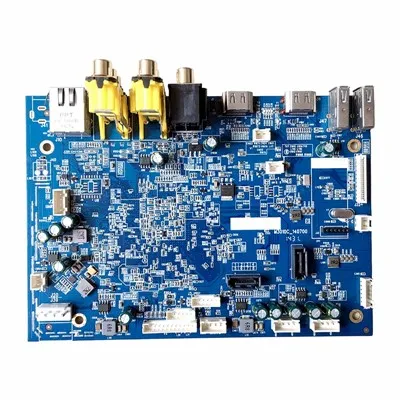
Understanding the Basics of Rigid – Flex PCBs
Before delving into the methods of improving rollability, it’s essential to understand what rigid – flex PCBs are. A rigid – flex PCB is a hybrid circuit board that combines the features of rigid PCBs and flexible PCBs. It consists of multiple layers of rigid and flexible materials laminated together. The rigid sections provide structural support, while the flexible sections allow the board to bend, fold, or roll as needed.
The rollability of a rigid – flex PCB depends on several factors, including the choice of materials, the design of the board, and the manufacturing process. By carefully considering each of these aspects, we can significantly enhance the rollability of the final product.
Material Selection for Better Rollability
The materials used in rigid – flex PCBs play a vital role in determining their rollability.
Flexible Substrates
For the flexible part of the PCB, polyimide (PI) is one of the most commonly used materials. Polyimide has excellent thermal stability, chemical resistance, and mechanical flexibility. It can withstand repeated bending and rolling without significant degradation. However, not all polyimides are created equal. We need to select high – quality polyimide films with appropriate thickness. Thinner polyimide films generally offer better flexibility and rollability, but they may be more prone to damage during handling. A thickness in the range of 12.5 – 25 microns is often a good choice for applications requiring high rollability.
In addition to polyimide, liquid crystal polymer (LCP) is also emerging as an alternative for flexible substrates. LCP has low moisture absorption, high dimensional stability, and good electrical performance. It can provide excellent rollability, especially in high – frequency applications.
Adhesives
Adhesives are used to bond the different layers of the rigid – flex PCB together. When it comes to improving rollability, choosing the right adhesive is crucial. Flexible adhesives, such as acrylic – based or epoxy – based adhesives with good flexibility, should be selected. These adhesives can maintain their bonding strength even when the board is rolled or bent. The adhesive thickness also needs to be carefully controlled. A thinner adhesive layer can reduce the overall stiffness of the board and improve its rollability.
Rigid Materials
For the rigid sections of the PCB, materials like FR – 4 are commonly used. However, when considering rollability, the thickness and the glass transition temperature (Tg) of the rigid material are important. A thinner rigid layer can reduce the overall stiffness of the board and make it more rollable. Additionally, a lower Tg material can provide better flexibility at room temperature, which is beneficial for rollability.
Design Considerations for Enhanced Rollability
The design of a rigid – flex PCB has a significant impact on its rollability. Here are some key design aspects to consider:
Bend Radius
Determining the appropriate bend radius is crucial. The minimum bend radius is the smallest radius that the flexible part of the PCB can be bent without causing damage to the circuit traces or the insulating layers. A larger bend radius generally allows for better rollability and a longer lifespan of the PCB. We recommend following the manufacturer’s guidelines for the minimum bend radius of the chosen materials. In general, a bend radius of at least 3 – 5 times the thickness of the flexible layer is a good starting point.
Trace Design
The design of the circuit traces on the flexible part of the PCB also affects rollability. Traces should be designed with a rounded or serpentine shape rather than sharp corners. Sharp corners can concentrate stress during bending and rolling, increasing the risk of trace breakage. Additionally, the width and spacing of the traces need to be carefully considered. Wider traces are generally more resistant to bending and stress, but they may also increase the overall stiffness of the flexible layer.
Cutouts and Vias
Cutouts in the rigid sections of the PCB can help reduce the overall stiffness and improve rollability. By strategically placing cutouts, we can allow the board to flex more easily. Vias, which are used to connect different layers of the PCB, should also be designed carefully. Smaller vias with a proper pitch can reduce the stress concentration in the flexible areas and enhance rollability.
Manufacturing Processes to Improve Rollability
The manufacturing process of rigid – flex PCBs can also have a significant impact on their rollability.
Lamination Process
The lamination process is critical for ensuring a good bond between the rigid and flexible layers and for maintaining the overall integrity of the PCB. During lamination, proper temperature, pressure, and time need to be controlled. Over – laminating can result in a stiffer board, while under – laminating may lead to delamination and poor rollability. We use advanced lamination equipment and techniques to ensure uniform pressure distribution and a strong bond between the layers.
Surface Treatment
Surface treatment can affect the friction and smoothness of the PCB, which in turn can impact rollability. A smooth surface finish can reduce the resistance during rolling and improve the overall performance. We use appropriate surface treatment methods, such as electroplating or immersion plating, to achieve a smooth and uniform surface on the PCB.
Testing and Inspection
After manufacturing, comprehensive testing and inspection are essential to ensure the rollability of the rigid – flex PCBs. We conduct various tests, including bend testing, roll testing, and electrical testing. Bend testing involves subjecting the PCB to a specific number of bends at a pre – determined bend radius. Roll testing simulates the rolling process to check for any signs of damage or delamination. Electrical testing ensures that the electrical performance of the PCB remains stable after bending and rolling.
Quality Control and Assurance
Quality control and assurance are integral parts of improving the rollability of rigid – flex PCBs. We have a strict quality management system in place to monitor every step of the production process. From material inspection to final product testing, we ensure that only high – quality PCBs are delivered to our customers.
We also work closely with our customers to understand their specific requirements for rollability. By providing customized solutions based on their application needs, we can ensure that the rigid – flex PCBs meet or exceed their expectations.
Conclusion
Improving the rollability of rigid – flex PCBs requires a comprehensive approach that considers material selection, design, manufacturing processes, and quality control. By carefully choosing the right materials, optimizing the design, and implementing advanced manufacturing techniques, we can enhance the rollability of our rigid – flex PCBs and provide better solutions for our customers.
Prototype PCB Assembly If you are in the market for high – quality rigid – flex PCBs with excellent rollability, we are here to help. Our team of experts can work with you to understand your requirements and develop customized solutions. Contact us to start a procurement discussion and discover how our rigid – flex PCBs can meet your needs.
References
- "Handbook of Printed Circuit Board Manufacturing Processes"
- "Flexible and Rigid – Flex Printed Circuit Boards: Design, Manufacturing, and Assembly"
- Industry standards and guidelines related to rigid – flex PCBs
Huaswin Electronics Technology Co., Ltd.
Address: Building A2, Hao Hai Hong Industrial Park, No.3 Yu He Road, Gong He, Sha Jing, Bao An, Shenzhen
E-mail: sales@huaswin.com
WebSite: https://www.huaswin-pcba.com/
